
TL;DR
-
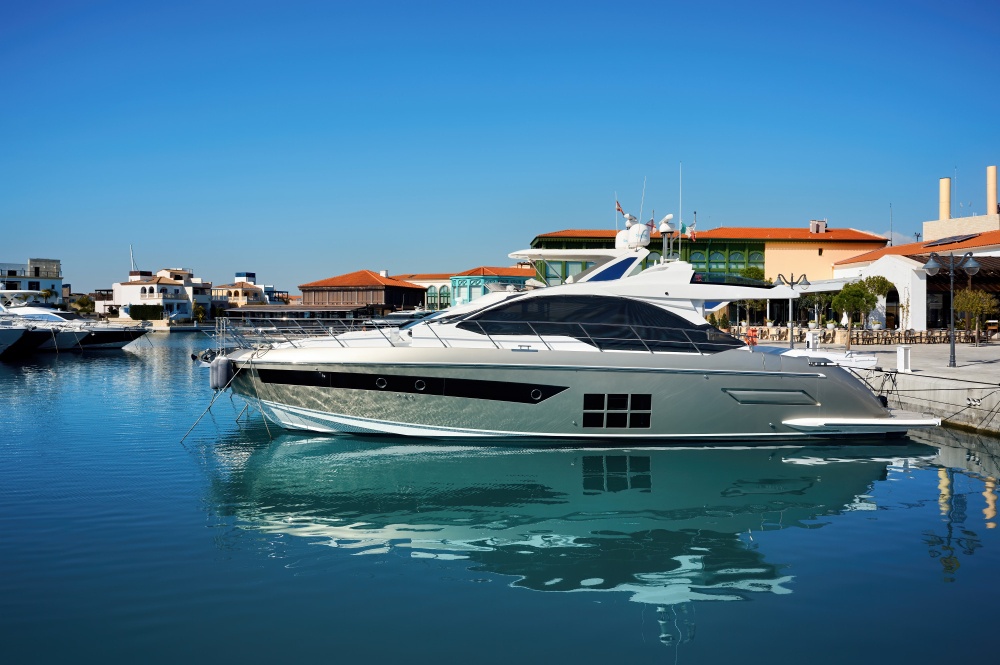
Marine navigation is entering a new era as AI, AR, IoT, and autonomous systems reshape how boaters move on the water.
-
This shift is accelerating further as the global marina market is projected to reach $30.4 billion by 2033, reflecting rising demand and more complex expectations.
-
These innovations create safer routing, smoother docking, cleaner propulsion, and fully connected boating ecosystems that simplify decisions for both boaters and marinas.
-
Tools like DockMaster help marinas keep pace with these changes by unifying arrivals, slip assignments, communication, and real-time operations into one seamless digital workflow.
As we sail into 2026, boaters stand on the edge of one of the most exciting shifts marine navigation has ever seen. AI systems, demand intelligence, cleaner propulsion, and connected technology shape how people manage their vessels.
The global marina market is projected to grow from $17.05 billion in 2023 to $30.4 billion by 2033, with a CAGR of 5.68% from 2028. These figures reflect rising demand for coastal access, more complex customer needs, and long-term public and private investment.
The next decade will deliver faster decision-making, sharper awareness, and smoother docking experiences. Let us walk you through the key trends transforming boating and show how modern marina management tools like DockMaster can help you stay ahead.
6 Incoming Trends That Will Change Marine Navigation
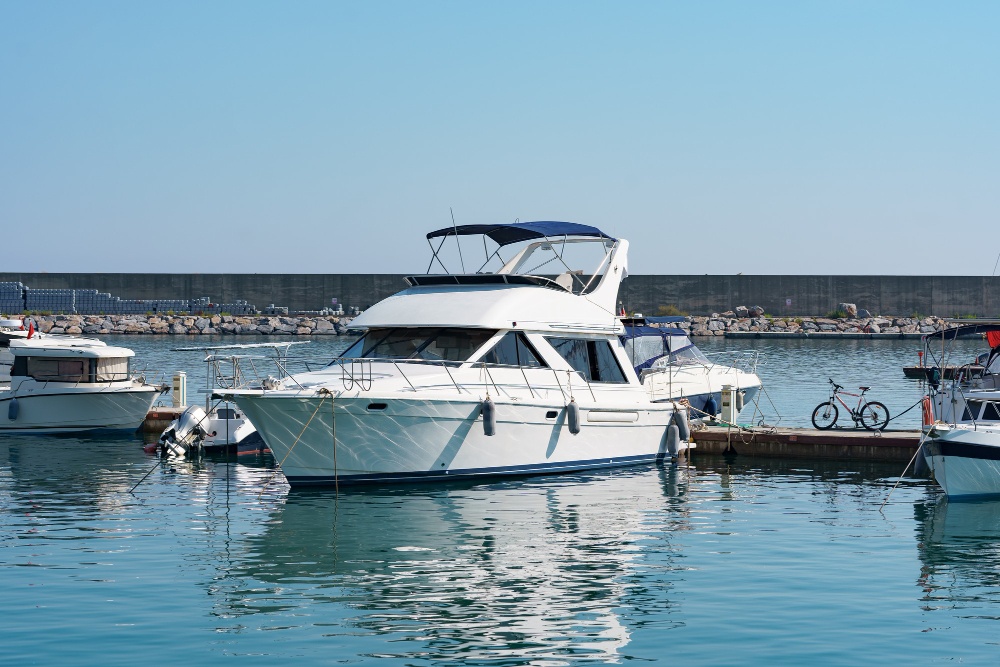
Here are six trends that highlight where the marina industry is headed, and why it matters now.
1. AI-assisted navigation
AI‑assisted navigation already makes a big difference on today’s waters because modern vessels are learning to interpret multiple data streams, including radar, sonar, electronic charts, and weather data, to provide route suggestions, hazard detection, and real-time traffic updates. These multimodal sensor fusion systems combine inputs from LiDAR, radar, infrared imaging, and chart data to build a comprehensive, reliable understanding of a vessel’s surroundings. They also handle complex scenarios effectively in poor weather, offering a safer route than conventional navigation.
A crucial aspect of these systems is environmental perception, which is essential for autonomous surface vehicles (ASVs) to operate safely in dynamically complex maritime environments. Most traditional ship detection methods rely on cameras, which are highly sensitive to environmental conditions and cannot directly provide spatial location information for detected targets.
To address these limitations, recent research has proposed LiDAR-based ship detection and tracking frameworks for busy maritime environments. Using modular detection networks and Kalman Filter-based multi-object tracking, these systems handle occlusions and motion, achieving 74.1% detection accuracy on real-world datasets of ships ranging from 5–40 m.
Other new algorithms use deep learning (DL) and adaptive path planning to dynamically adjust courses around irregular obstacles, such as floating debris or unpredictable vessel traffic, helping boats avoid collisions and tricky docking scenarios with greater precision. As a marina operator, this means fewer surprises when visibility drops or weather changes suddenly. You get to spend more time enjoying the water and less time worrying about unpredictable hazards or plotting every turn manually.
2. Augmented reality (AR) overlays
Augmented reality (AR) is increasingly being used to superimpose graphical elements over AIS targets, such as buoys, boats, and ships, allowing crews to visualize their position and movement even in low-visibility conditions. This technology enhances situational awareness when radar, sonar, or visual cues are limited. Implementations may include head-up displays or screen-based overlays that provide real-time information, such as vessel position, course, and nearby traffic, directly within the crew’s line of sight.
Although widespread deployment at sea is still emerging, AR overlays will increasingly complement traditional navigation systems, including charts, radar, and sonar, particularly in congested or complex waterways such as ports, marinas, and coastal zones.
By presenting critical information intuitively, AR overlays reduce the cognitive and attentional load on crews, enhancing safety during complex maneuvers such as docking, close-quarters navigation, or night and coastal operations. This approach also minimizes reliance on multiple screens and the manual interpretation of data streams.
3. Autonomous features
Autonomous vessel technologies are rapidly evolving, enabling safer, more efficient navigation with minimal human intervention. Recent advances in sensor fusion combine LiDAR, radar, infrared imaging, and chart data with machine learning to allow vessels to perceive their surroundings accurately, even in low visibility or adverse weather.
These developments are driving practical adoption across the industry. Commercial and recreational operators are increasingly deploying semi- and fully-autonomous systems that:
-
Automate docking and close-quarters maneuvering
-
Detect and avoid collisions in real time
-
Plan and follow safe routes in complex waterways
Automation reduces fatigue, minimizes human error, and simplifies operations in harbors, marinas, and narrow channels. As confidence in these systems grows, adoption is expanding from small boats to large commercial and defense vessels, shaping the future of marine navigation.
4. Connected marine ecosystems
Boating rarely ends with just navigation. Maintenance, fuel checks, weather updates, and marina bookings are equally important. The next generation of systems will link all these facets together. In fact, South Korea has taken a major step in shaping connected oceans by validating the world’s first Maritime Internet of Things (IoT) communication network.
The system reliably collects environmental, navigational, and safety data at sea, establishing a foundation that could transform how nations manage coastal infrastructure, marine assets, and climate intelligence.
The Electronics and Telecommunications Research Institute designed and tested the network across the West and South Seas. It maintained stable communication over distances up to 35 kilometres while simultaneously connecting 30 devices. This test represents the first real-world maritime deployment of IoT technologies using international standards defined by the 3rd Generation Partnership Project, positioning South Korea as a leader in marine connectivity innovation.
For marina operators, yacht owners, or fleet managers, connected marine ecosystems shift navigation from standalone instruments to a holistic, integrated environment, where navigation, maintenance, safety, power, and operations are unified. This improves efficiency, maintenance planning, and safety, and provides better oversight (even remotely).
5. Advanced sensors & IoT
The deployment of marine IoT sensors is on the rise, covering engine metrics (RPM, fuel flow, temperature), structural health (vibration, hull stress), environmental sensors (water quality, emissions, ballast), and more. These feed into central on‑board or cloud-based systems for real-time analysis. Such sensors enable predictive maintenance by continuously monitoring engine and hull parameters, avoiding breakdowns or expensive repairs and improving safety and vessel uptime.
Combined with satellite, IoT network, and ship-to-shore communications systems, vessels can report status, generate alerts, and even allow remote diagnostics or assistance. This helps when vessels are unattended (e.g., at anchor or in a marina) or the crew is minimal. For smaller yachts and recreational boats, sensors become affordable, easier to retrofit, and easier to manage via standard interfaces like dashboards.
6. Green navigation
One of the most significant shifts on the horizon is environmental. The marine industry is embracing electric and hybrid propulsion systems faster than ever. That change directly impacts boaters and marina operators worldwide.
A recent advance in research highlights this trend. For example, a recent study integrates ocean current and sea-state data into routing algorithms to minimize energy consumption. This green routing approach demonstrated energy savings of approximately 2.1% on obstacle-free routes and 1.4% when navigating around obstacles, depending on conditions.
In parallel, the fully electric cargo vessel Hydromover completed a smart-navigation test, combining intelligent route planning with collision avoidance to navigate safely. This milestone shows that electric vessels can now leverage the full suite of advanced navigation technologies.
Similarly, for hybrid or all‑electric ships using fuel cells, batteries, photovoltaic (PV), or other hybrid energy-storage/production units, there is active research into optimizing power‑generation scheduling to balance operational costs, emissions, and energy efficiency. For boaters, these changes mean quieter rides, lower fuel bills, reduced pollution, and perhaps a future with zero-emission boating on inland waters, coastal cruises, or even leisure yachting.
What Problems Do These Trends Solve (& Why They Matter)
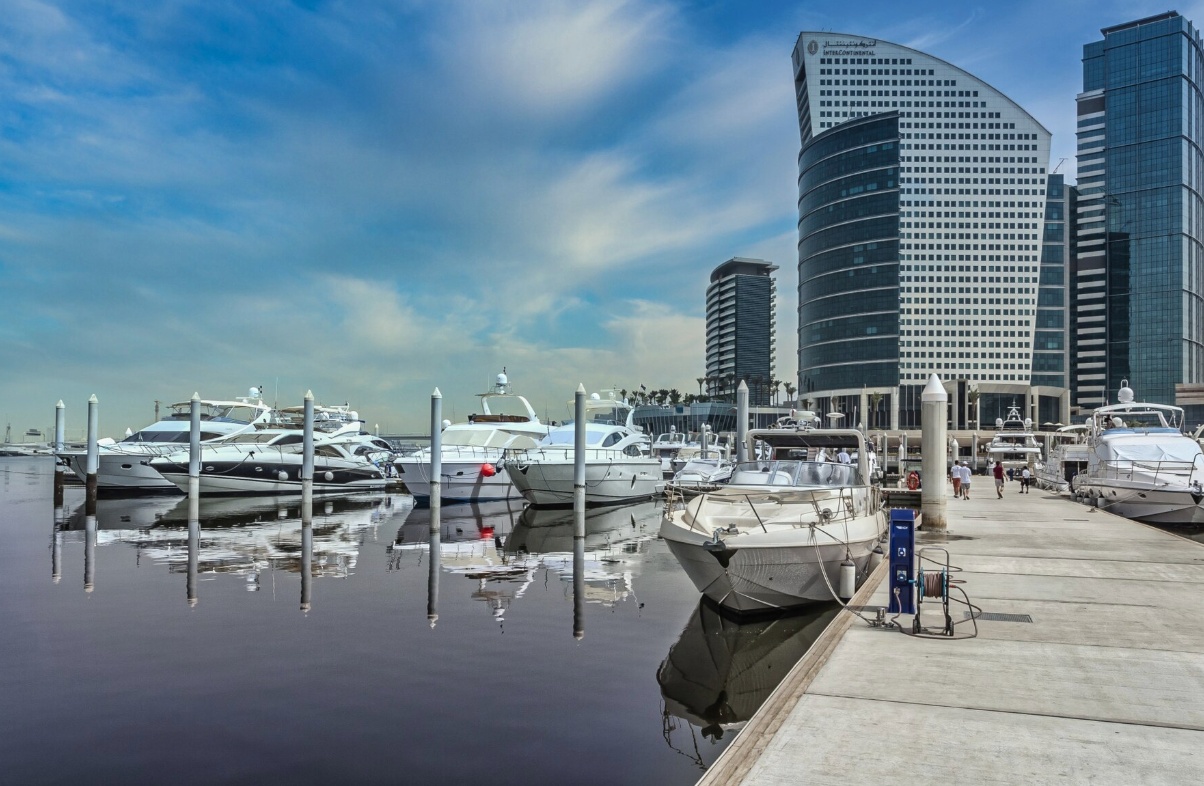
These emerging trends address long-standing challenges, combining technology, connectivity, and automation to make boating safer, more efficient, and more accessible for everyone.
1. Navigational hazards
Many accidents on water occur due to hidden obstacles, poor visibility, or sudden weather changes. The combination of AI, sensors, and AR reduces these risks.
As a result, you’ll have a clearer picture of submerged hazards, better awareness of nearby traffic, and real-time updates that help you avoid trouble sooner.
2. Weather unpredictability
Unstable weather can throw even seasoned sailors off course. Connected navigation systems that link weather forecasts, tide data, and real-time sensor feedback make it easier to plan around storms, high tide, or unexpected winds.
That reliability offers peace of mind for anyone preparing for a long sail or just a day trip.
3. Boater inexperience
If you are new to boating, the learning curve can feel steep. Mastering charts, radar, depth sounders, and dock maneuvers takes time.
But with intuitive AR overlays, AI-guided routing, and automated docking, novices will pick up skills faster, feel more confident on the water, and might even enjoy learning rather than always being cautious.
4. Manual chart plotting
Many small craft still rely on paper charts or basic electronic chart plotters. That can be slow, error-prone, and often inadequate under dynamic conditions.
Emerging tech offers continuous updates, hazard detection, and smart routing, all within one system. That saves time, reduces errors, and improves safety.
5. Communication gaps with marinas
Coordinating marina arrival times, slip availability, and docking procedures can get messy, especially in busy ports. A connected ecosystem that ties navigation, marina systems, and onboard diagnostics makes the process smoother.
You get to the dock just as the slip is ready, avoid double-booking, and skip a lot of back-and-forth calls and confusion.
What This Means for Marinas and Boaters
Now that we understand what modern navigation systems can do and how these trends address marina challenges, let’s explore what they mean for both boaters and marina operators.
A. Automated arrivals
Knowing when boats arrive helps marinas operate efficiently and reduces stress for both staff and guests. A marina management software like DockMaster provides real-time updates and tracking, so slips, power, and services are ready in advance.
This way, marina operators can:
-
Monitor vessel arrivals, estimated times, and live status updates directly from a single interactive dashboard
-
Track incoming boats’ positions on VisualMarina® maps for precise docking preparation and safety planning
-
Integrate arrival data with reservations, billing, and customer profiles for seamless operational continuity
-
Automatically notify staff of last-minute changes or delays in vessel arrivals through DockMaster
-
Reduce idle dock time and improve overall throughput for busy or high-traffic marinas
-
Centralize all arrival-related data for quick reporting, oversight, and decision-making across departments
B. Smart slip assignments
Accurately assigning slips saves time, reduces mistakes, and enhances overall marina efficiency. DockMaster integrates reservations, vessel specifications, and customer profiles, allowing staff to allocate slips smartly. Staff can:
-
Assign slips automatically based on vessel size, type, reservation details, and estimated arrival times
-
Reassign slips quickly using drag-and-drop VisualMarina® interface tools without disrupting ongoing marina operations
-
Reference detailed vessel dimensions, including LOA, beam, and draft, to ensure safe allocations
-
Coordinate slip availability with services like fuel, maintenance, or storage scheduling automatically
-
Analyze dock utilization and occupancy trends to optimize slip usage and increase marina efficiency
C. Digital communication
A recent study shows that 71% of marina guests prefer booking slips on their smartphones, demonstrating that digital tools are essential for modern operations. Platforms like DockMaster Web and DockMaster Desktop allow marina teams to handle all bookings, occupancy tracking, and customer service through a single, real-time synced system. This allows the staff to:
-
Monitor arrivals and departures using dashboards linked to vessel profiles and reservation history
-
Assign slips faster and with fewer errors by referencing vessel specifications stored in the system
-
Track and log all customer communications automatically
-
View and manage fuel usage and service requests through integrated tools
-
Provide guests with self-service options for check-ins, updating information, and paying invoices online
These tools unify navigation, maintenance, safety, power, and operations, improving efficiency, oversight, and guest experience while reducing manual workload.
Leading Your Marina Into the Future
The marina industry is evolving fast, and technology is transforming how operators manage slips, resources, and guest experiences. Digital tools now help marinas reduce errors, track occupancy in real time, and deliver the seamless service today’s boaters expect.
DockMaster’s cloud-first platform brings dock reservations, billing, inventory, and parts management together into a single, live dashboard. With everything integrated, your team can minimize manual errors, respond to guests more quickly, and focus on value-added tasks that enhance operations and customer satisfaction.
Upgrade your marina operations and stay ahead of modern demands! Schedule a free DockMaster demo today.